How Regulatory Shifts Influence the Structure of Loyalty Rewards in UK Online Gambling Platforms
Written by Clara Griffin · Sep 14, 2026
How Regulatory Shifts Influence the Structure of Loyalty Rewards in UK Online Gambling Platforms
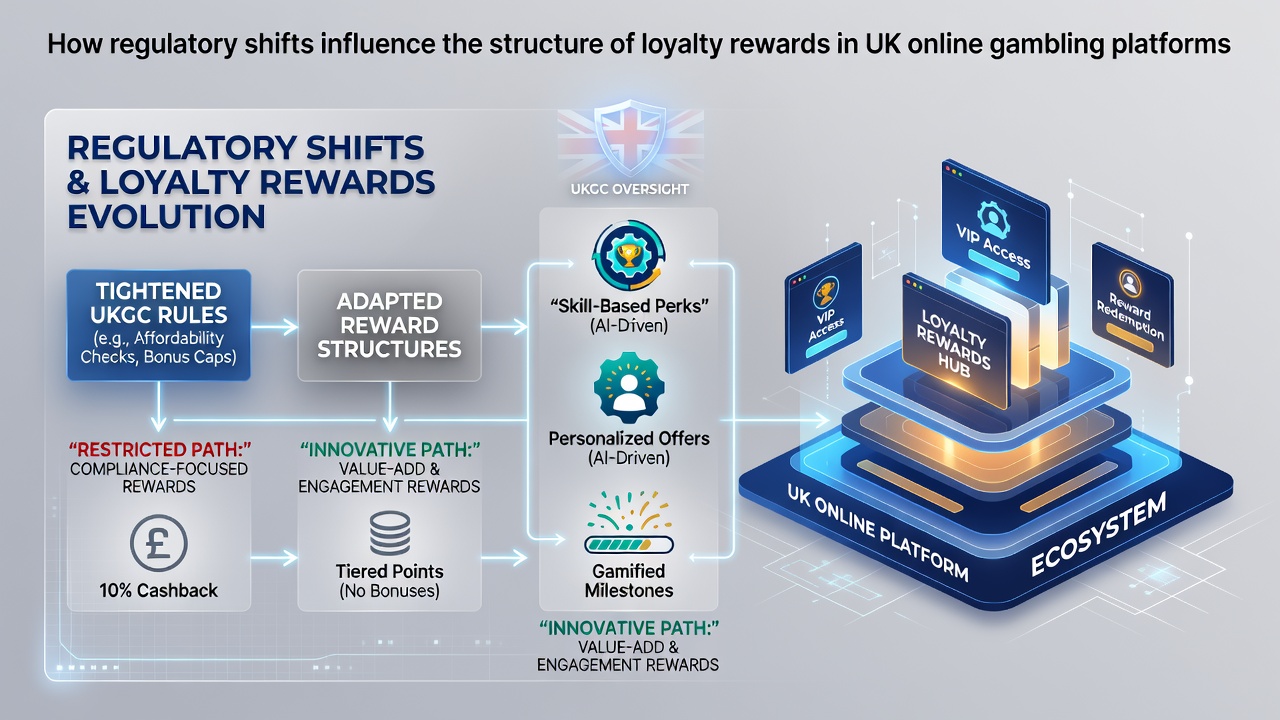
Regulatory adjustments in the United Kingdom have prompted operators of online gambling platforms to modify how they design and deliver loyalty rewards, shifting from high-value tiered bonuses toward more restrained structures that emphasize cashback and controlled redemption options. These changes align with broader player protection measures that took effect progressively through 2024 and 2025, setting the stage for further refinements scheduled around September 2026.
Operators once relied on multi-level VIP schemes that awarded points for deposits, bets, and playtime, converting those points into free spins, bonus cash, or exclusive event access. Data from industry reports shows that such programs drove significant player retention in earlier years, yet new compliance requirements around affordability assessments and marketing restrictions have forced platforms to cap maximum rewards and introduce mandatory cooling-off periods before redemption. Researchers at the University of Sydney documented similar patterns in markets with comparable oversight, noting that loyalty mechanics adapted by incorporating real-time spending limits tied directly to verified income levels.
Key Regulatory Drivers Behind Structural Changes
Affordability checks introduced under updated consumer protection frameworks require platforms to monitor deposit patterns more closely, which in turn affects how loyalty points accumulate. Platforms now often tie point accrual rates to verified accounts rather than raw deposit volume, reducing the incentive for high-stakes play that previously unlocked elite tiers. According to findings from the European Gaming and Betting Association, operators across several jurisdictions reported a 25 percent drop in VIP membership uptake after similar verification rules rolled out, leading many UK platforms to replace flat bonus multipliers with percentage-based cashback that returns smaller amounts over time.
Advertising curbs have also played a role, limiting how platforms promote loyalty schemes in public channels. Instead of splashy campaigns highlighting massive jackpot rewards, operators direct communications toward in-app notifications that detail personalised point balances and upcoming redemptions. This approach complies with restrictions on targeted promotions while still maintaining engagement, though the overall value of rewards has contracted as a direct result.
Adaptations in Reward Mechanics
Many platforms have restructured loyalty programs around segmented tiers that reset annually rather than allowing indefinite accumulation. This prevents long-term high-value players from amassing disproportionate benefits that could conflict with new responsible gambling protocols. Points now frequently expire after shorter windows, and redemption requires additional verification steps that include brief self-assessment questionnaires. Observers note that these adjustments distribute rewards more evenly across the player base instead of concentrating them among top spenders.
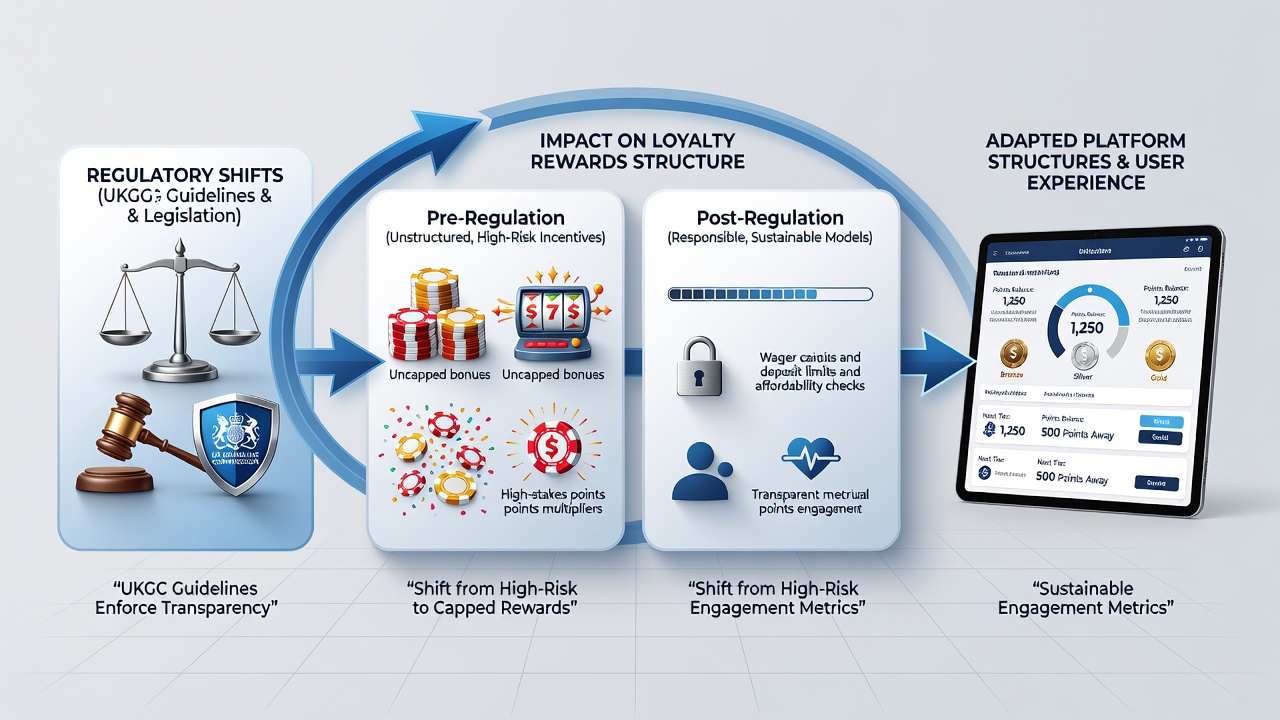
Take the example of one major operator that transitioned its entire loyalty system in early 2025, replacing deposit-matched bonuses with a points-for-play model where cashback credits activate only after a set number of qualifying wagers. Industry data indicates this shift reduced average bonus liability by nearly a third while sustaining active user numbers through steady, smaller payouts. Such models align with September 2026 timelines when additional transparency rules on reward disclosure are expected to require clearer breakdowns of terms within every loyalty interface.
Impact on Player Behaviour and Platform Strategy
Players have responded to these modifications by spreading activity across multiple platforms to maximise smaller rewards, a pattern tracked in several European market analyses. Platforms counter this fragmentation by introducing cross-game loyalty multipliers that reward consistent engagement within a single ecosystem, yet they must balance these incentives against affordability thresholds that flag unusual activity spikes. The result appears in hybrid structures where loyalty tiers incorporate both behavioural metrics and deposit frequency rather than volume alone.
External research from the Responsible Gambling Council in Canada highlights that markets enforcing similar checks saw loyalty programs evolve toward educational components, such as optional modules on bankroll management that unlock minor point bonuses. UK platforms have begun testing comparable features ahead of the 2026 updates, embedding these elements into tier progression to meet anticipated compliance standards without disrupting core reward delivery.
Conclusion
Regulatory shifts continue to reshape loyalty rewards in UK online gambling by prioritising controlled accumulation, transparent redemption, and integration with affordability safeguards. Platforms respond through tier resets, cashback emphasis, and verification-linked point systems that reflect the evolving compliance landscape leading into September 2026. These structural adjustments maintain player engagement while aligning with documented requirements from oversight bodies and research institutions across multiple regions.